.png?width=800&height=200&name=Awards%20NEW%20(1600%20x%20400%20px).png "Awards NEW (1600 x 400 px)")
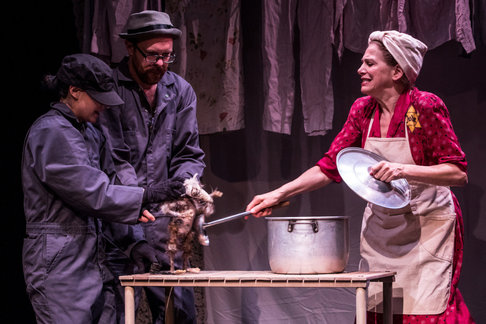
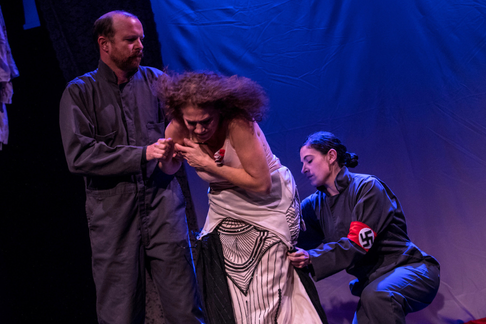
It’s 1930 in Berlin, and Sofia Brünn—a fictional singer and comedienne—is the brightest star of the Weimar cabaret. Her world shatters when she is arrested and deported to Theresienstadt, a concentration camp in Czechoslovakia.
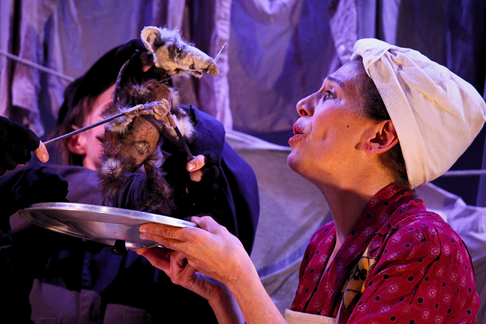
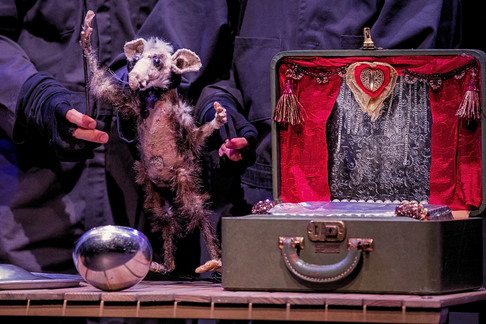
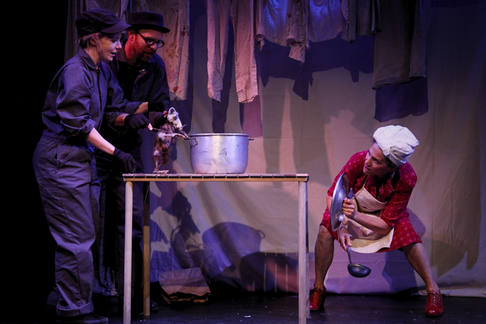
Forced to work in the camp kitchen, Sofia slowly loses her will to live—until she forms an unexpected bond with Pavel, a rat.
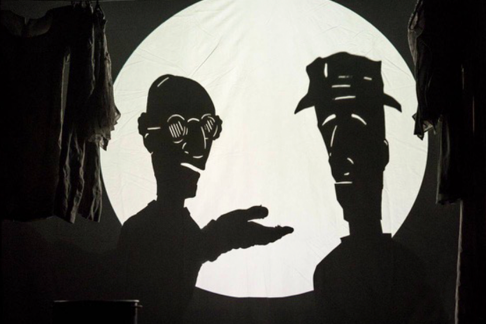
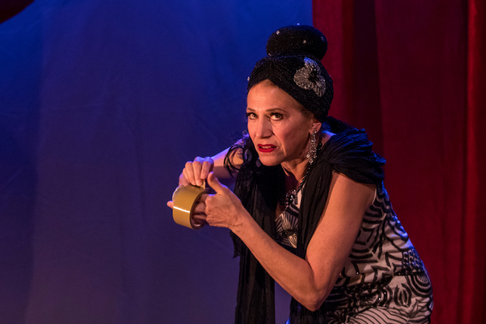
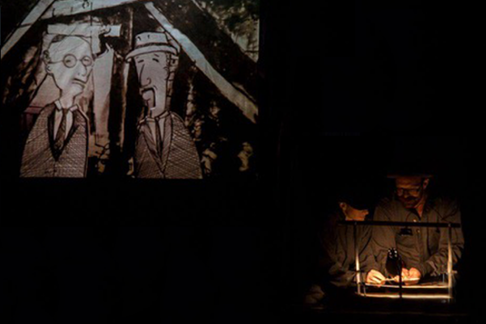
Meanwhile, in the “Attic Cabaret,” a pair of vaudevillian emcees perform for the camp, making jokes about how the Nazis are using Theresienstadt to convince the world that they are giving the Jews a “home.”
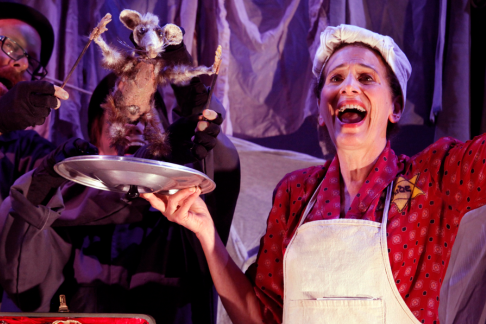
As conditions worsen and food grows scarce, Pavel stays by Sofia's side. Their shared love of the cabaret rekindles Sofia’s spirit and gives her a reason to fight.
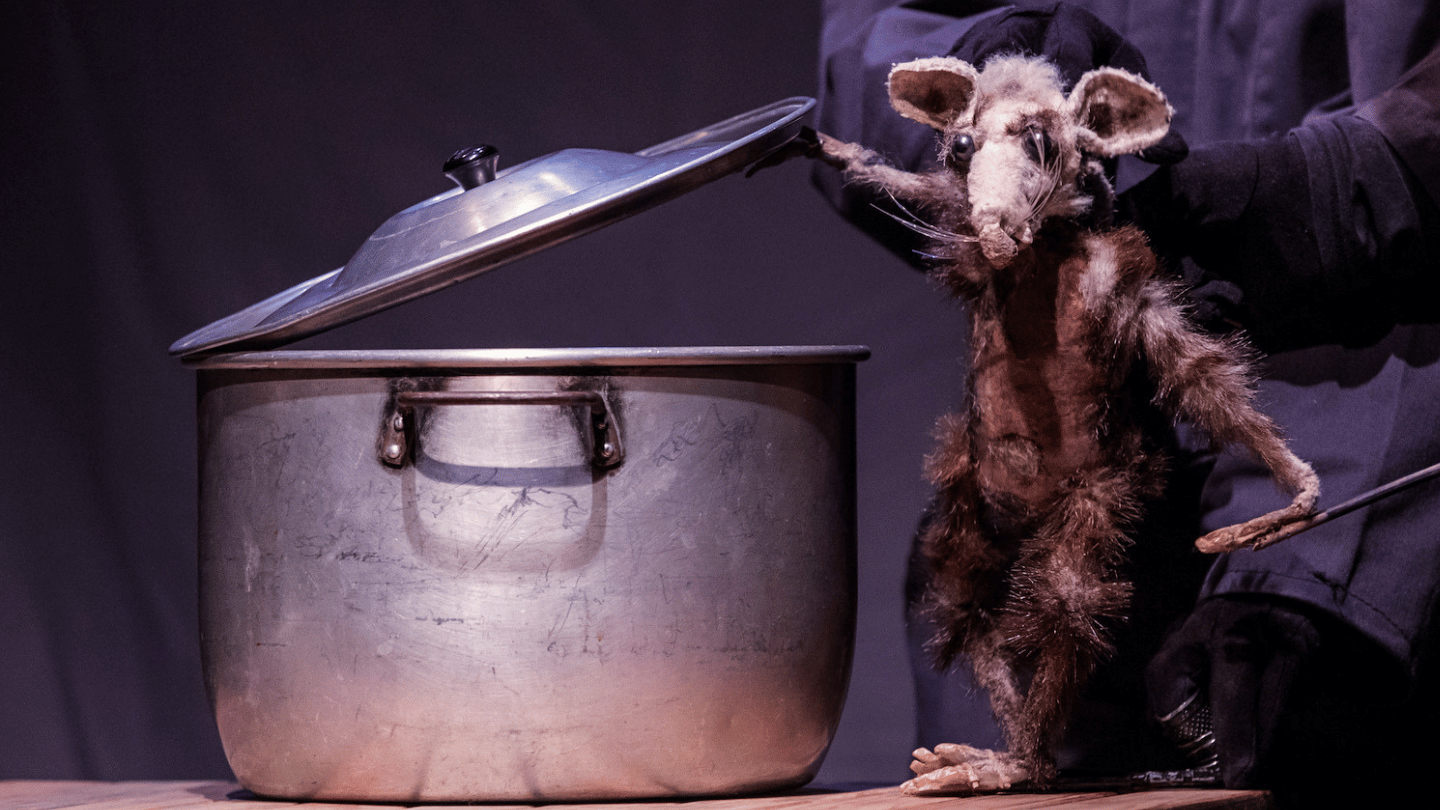
The Last Rat of Theresienstadt is a multimedia dark comedy with music, featuring two puppeteers and one actor.
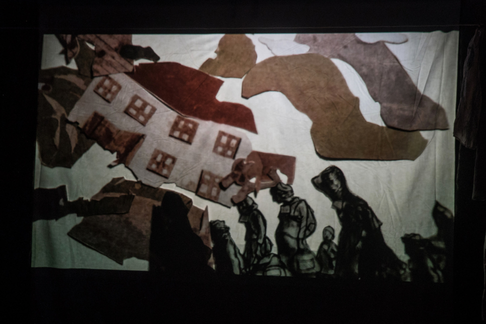
The production incorporates original artwork and poetry created by prisoners in secret during their imprisonment. New music has also been composed for songs that were originally performed in the camp, but whose scores were lost.
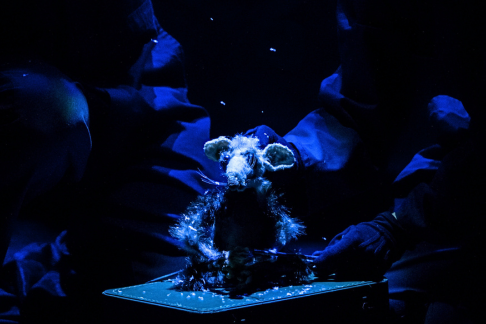
Multiple styles of traditional puppetry, including shadow puppetry and bunraku-inspired performance bring a variety of rich characters and settings to life.
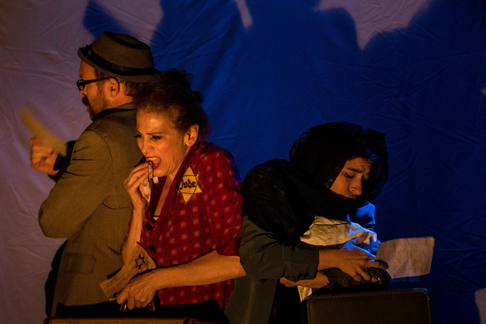
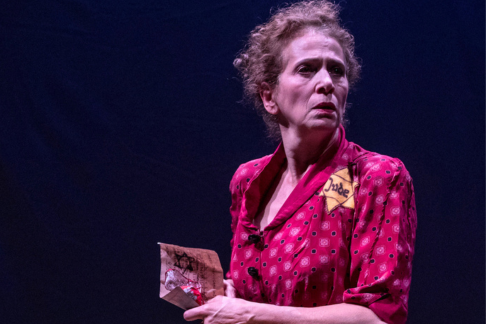
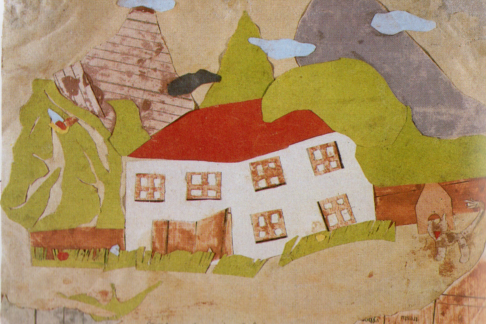
The Theresienstadt camp was the final destination for more than 30,000 Central and Western European Jews—most from Czechoslovakia, Austria, and Germany—who perished within its walls. For thousands of others, it was only a way station on the journey to the slave-labor and death camps. Yet amid these horrific conditions, many prisoners came to understand the meaning and power of art with new intensity. During those years in Theresienstadt, a vibrant cultural life emerged.
Humor and art can foster healing and resilience in the face of adversity. Although this work centers on the Holocaust—a time whose victims we honor through remembrance—it also draws on the art, poetry, and music created by Jewish prisoners in the Theresienstadt camp. Its themes remain deeply relevant today. As antisemitism rises and bigotry and racism continue to divide communities around the world, this story speaks powerfully to our present moment.
It is a story of prejudice and oppression, set alongside survival, joy, and the enduring human need to nourish both body and soul.